
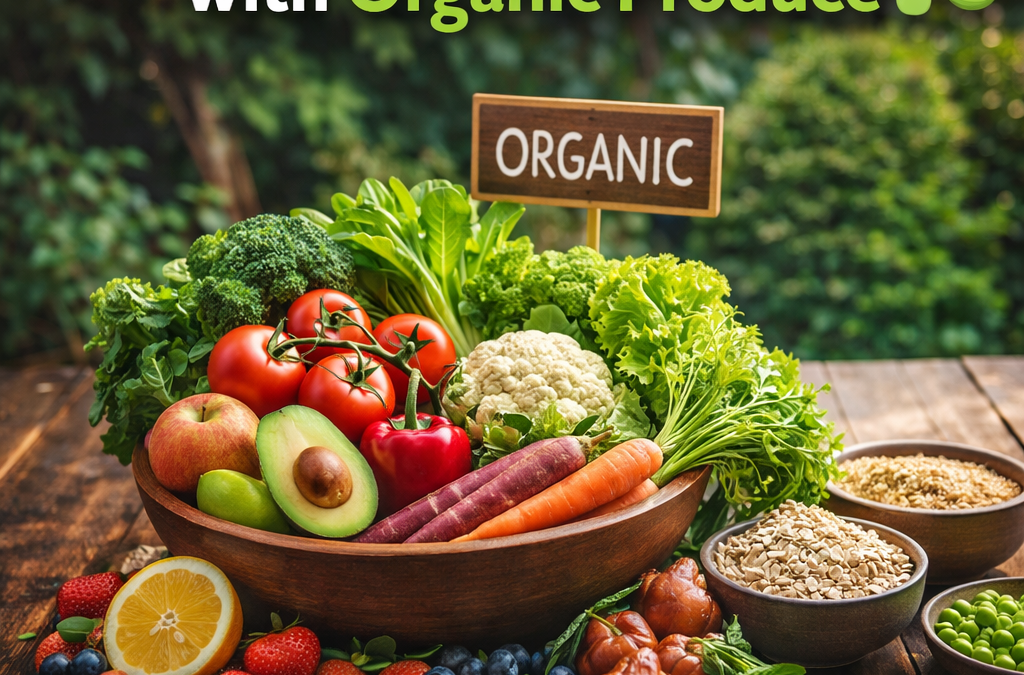
Healthy eating habits play an important role in maintaining overall well-being and preventing many lifestyle diseases. One effective way to support a healthy diet is by choosing organic produce. Organic fruits, vegetables, grains, and other foods are grown without synthetic pesticides, chemical fertilizers, or genetically modified organisms. By including organic foods in daily meals, people can move toward a cleaner and more natural way of eating.
One of the key benefits of organic produce is reduced exposure to harmful chemicals. Conventional farming often relies on pesticides and fertilizers to increase crop yield. Small amounts of these chemicals can remain on food even after washing. Organic farming avoids these substances and instead uses natural methods such as compost, crop rotation, and biological pest control. This helps ensure that the food reaching consumers is safer and more natural.
Organic produce is also known for supporting better nutrition. Fruits and vegetables grown in healthy, nutrient-rich soil can contain higher levels of vitamins, minerals, and antioxidants. These nutrients are essential for strengthening the immune system, improving digestion, and supporting overall body functions. Eating a variety of organic vegetables, whole grains, and fruits helps provide the body with balanced nutrition.
Another important aspect of healthy eating with organic foods is the encouragement of mindful eating habits. When people choose organic produce, they often focus more on fresh, whole foods rather than highly processed items. Meals made with fresh organic ingredients tend to include more vegetables, natural grains, and plant-based foods, which support a balanced and nutritious diet.
Organic farming also promotes environmental sustainability. The farming practices used in organic agriculture help protect soil health, conserve water, and maintain biodiversity. When consumers choose organic foods, they are supporting farmers who use eco-friendly methods that protect nature and reduce pollution.
In addition, organic foods often have better taste and quality. Because they are grown naturally and harvested at the right time, many people feel that organic fruits and vegetables have a richer flavor. This can encourage people to eat more fresh produce, which naturally leads to healthier eating habits.
Following healthy eating habits with organic produce does not mean making sudden drastic changes. Small steps such as adding organic fruits to breakfast, choosing organic vegetables for meals, or replacing refined foods with organic whole grains can gradually improve diet quality. Planning balanced meals, eating fresh seasonal produce, and reducing processed foods can make a big difference in long-term health.
In conclusion, incorporating organic produce into daily eating habits can support a healthier lifestyle. It reduces exposure to chemicals, provides better nutrition, and supports sustainable farming practices. By making thoughtful food choices and focusing on fresh, organic ingredients, individuals can improve their health while also contributing to a healthier environment. 🌱🥗