
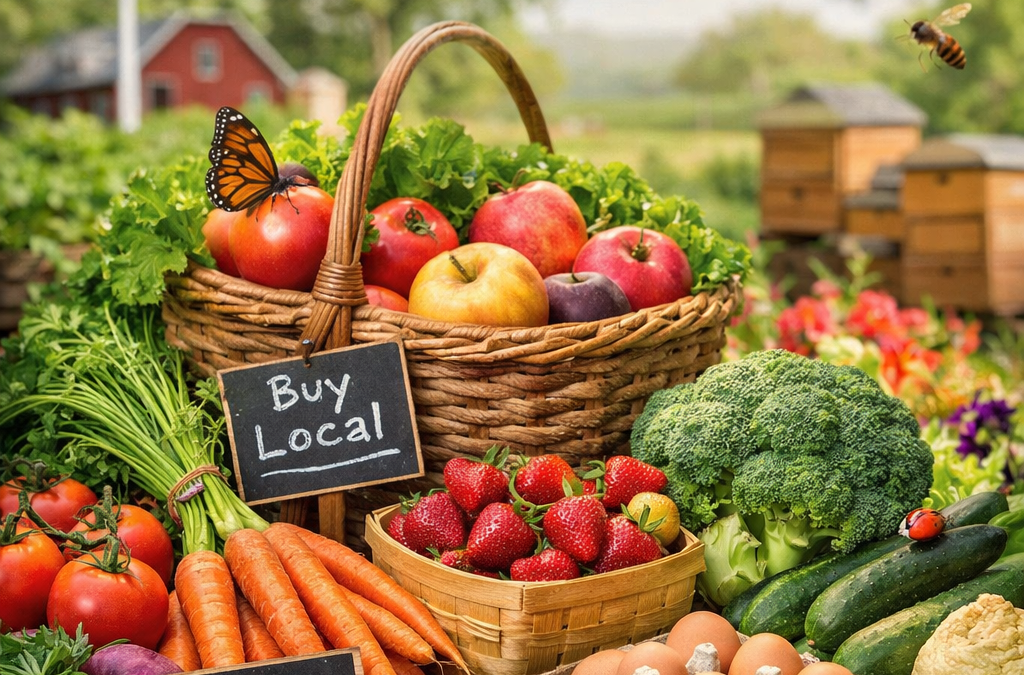
Choosing Organic Produce – In recent years, organic produce has shifted from a niche option at local farmers’ markets to a mainstream choice in grocery stores around the world. But beyond the labels and higher price tags, many consumers still ask: is organic really worth it? While every household must make food decisions based on budget and access, there are compelling reasons why choosing organic produce can be a meaningful investment in your health, the environment, and even your local community.
Choosing Organic Produce – Reduced exposure to synthetic pesticides and fertilizers
One of the most commonly cited reasons for choosing organic produce is reduced exposure to synthetic pesticides and fertilizers. Conventional farming often relies on chemical inputs designed to maximize yield and prevent crop loss. While these chemicals are regulated, concerns remain about the long-term effects of repeated exposure—especially for children and pregnant women. Organic farming standards restrict the use of most synthetic pesticides and instead emphasize natural alternatives and preventative practices such as crop rotation and biological pest control. For many shoppers, minimizing chemical exposure offers peace of mind and aligns with a precautionary approach to health.
Choosing Organic Produce – Environmental sustainability
Another important consideration is environmental sustainability. Organic farming practices are designed to work in harmony with natural ecosystems. By avoiding synthetic fertilizers, organic farmers reduce the risk of chemical runoff that can contaminate waterways and harm aquatic life. Techniques like composting, cover cropping, and crop rotation help build healthy soil, increase biodiversity, and reduce erosion. Healthy soil is more than just dirt—it stores carbon, retains water more effectively, and supports resilient plant growth. In a time of increasing climate challenges, farming methods that prioritize long-term soil health are especially valuable.
Choosing Organic Produce – Contribute to animal welfare and biodiversity
Organic produce can also contribute to animal welfare and biodiversity. Though fruits and vegetables themselves do not involve livestock, organic standards generally extend to mixed farms where animals are raised with access to the outdoors and fed organic feed. Additionally, organic farms tend to support a wider range of insects, birds, and beneficial organisms due to the absence of harsh chemical sprays. This diversity helps create more balanced ecosystems and reduces dependence on artificial inputs.
Taste and freshness
Taste and freshness are another factor that draws many consumers to organic options. While taste is subjective, some people find that organic fruits and vegetables have a richer or more natural flavor. This may be partly because organic produce is often grown on smaller farms and sold locally, meaning it may spend less time in transit and storage. Fresher produce not only tastes better but can also retain more nutrients.
Support local farmers and regional economies
Choosing Organic Produce can also support local farmers and regional economies. Many organic farms are small to mid-sized operations that rely on community support. Choosing organic, especially from local markets, can help sustain these farms and promote a more diverse agricultural landscape. Instead of funneling money exclusively into large industrial systems, consumers have an opportunity to back farming practices that prioritize stewardship and sustainability.
Of course, Choosing Organic Produce can be more expensive, and not everyone has equal access to it. If budget is a concern, some shoppers choose to prioritize organic versions of produce that typically carry higher pesticide residues while buying conventional options for others. Even small shifts in purchasing habits can make a difference.
Ultimately, buying organic produce is about more than a label—it’s a decision rooted in values. For those who care about reducing chemical exposure, protecting the environment, and supporting sustainable agriculture, organic produce offers a practical way to align everyday purchases with long-term priorities.
You can contact us here.